
Mastering Sports Broadcasting: Strategies and Best Practices for Success
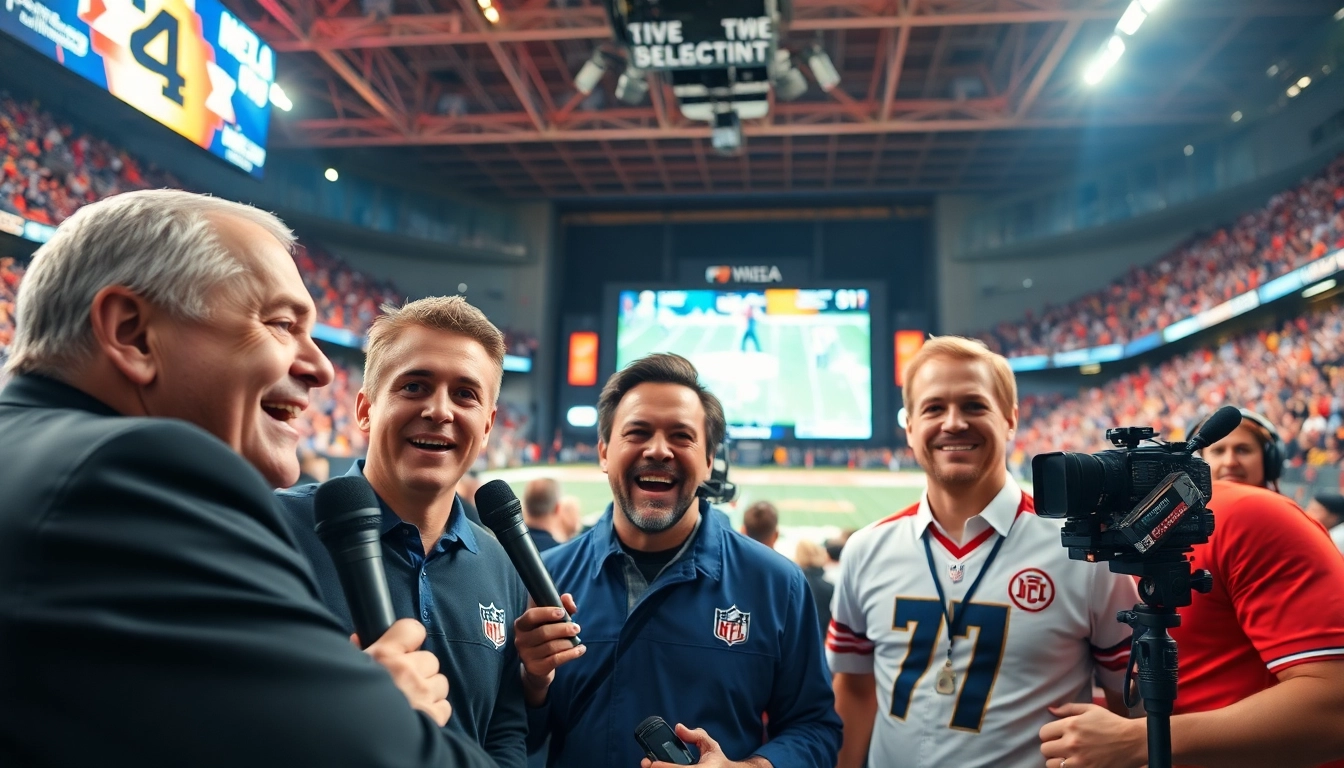
Introduction to Sports Broadcasting
What is Sports Broadcasting?
Sports Broadcasting is a specialized sector of media that involves the transmission of live sports events to viewers across various platforms, including television, radio, and the internet. It aims to bring the excitement and nuances of sports directly into homes, allowing fans to experience their favorite games as they happen. This dynamic field combines elements of journalism, technical production, and audience engagement, making it a complex yet fascinating industry. Understanding this ecosystem is crucial for anyone looking to make a mark in Sports Broadcasting.
The Evolution of Sports Broadcasting
The journey of Sports Broadcasting has transformed dramatically over the years. It began with radio broadcasts in the early 20th century, where events were relayed to listeners through play-by-play commentary. The introduction of television revolutionized the industry, bringing visual coverage to fans and allowing them to engage more deeply with the action on the field. Additionally, advancements in technology, like high-definition broadcasts, the internet, and streaming services, have further reshaped how sports are consumed today. From the first televised baseball games to today’s multi-platform coverage, the evolution of Sports Broadcasting reflects broader technological, social, and economic trends that continue to influence how audiences connect with sports.
Understanding Key Roles in Sports Broadcasting
A comprehensive understanding of Sports Broadcasting requires an appreciation of the different roles that come together to deliver a smooth viewing experience. Key personnel include:
- Sports Commentators: They provide insightful, engaging commentary that enhances the viewing experience.
- Producers: They oversee the logistical aspects of the broadcast, ensuring that everything comes together seamlessly.
- Technical Crew: Responsible for the equipment and technology that capture and transmit the event, including camera operators and sound technicians.
- Writers and Researchers: They prepare background information and stats that contribute to the broadcast’s depth.
- Marketing and Promotions: They engage audiences and drive viewership through strategic promotions.
Understanding these roles highlights that successful Sports Broadcasting relies on teamwork and the collaboration of various professionals.
Essential Equipment for Sports Broadcasting
Cameras and Technology Used
Essential to any sports broadcast is the equipment used to capture high-quality footage. The type of cameras employed can significantly influence the quality of the broadcast. High-definition cameras are standard, but 4K and ultra-high-definition options are becoming increasingly popular for their clarity. Additionally, the use of specialized lenses allows for capturing fluid motion, particularly in fast-paced sports like football and basketball. Drones and locker room cameras have also become invaluable, providing unique angles and perspectives that enhance viewer engagement.
Sound and Lighting Essentials
Sound quality is just as critical as visual clarity in sports broadcasting. The use of lapel mics for commentators, shotgun mics to capture ambient sounds, and sound mixers to balance levels are essential parts of the audio setup. Furthermore, proper lighting is crucial, especially for indoor events. LED lights, softboxes, and spotlights help in highlighting players and significant moments in the game, creating a more enjoyable viewing experience.
Software Tools for Editing and Broadcasting
Beyond hardware, the software utilized during both live broadcasts and post-production is vital. Professional broadcasting software, like OBS Studio or Wirecast, allows for the integration of graphics, overlays, and real-time updates, fostering an interactive environment. Editing software such as Adobe Premiere Pro or Final Cut Pro enables post-event highlights to be crafted professionally, ensuring that key moments are captured and showcased effectively for later viewing.
Techniques for Effective Sports Commentary
Preparing for Live Events
Effective sports commentary begins long before the cameras start rolling. Preparation is key: commentators need to research the teams, players, and current events related to the game. Understanding player statistics, recent performance trends, and historical matchups allows commentators to provide context that enriches the experience for viewers. Practicing with sample broadcasts can also help improve delivery and timing.
Engaging the Audience
Engaging viewers requires a combination of enthusiasm, storytelling, and clarity. Commentators should strive to create a narrative around the event, weaving together statistics, player backgrounds, and personal anecdotes to keep the audience invested. Utilizing rhetorical techniques can also elevate commentary and maintain viewer interest. Techniques like humor, suspense, and excitement about key moments can lead to a more captivated audience.
Handling Unexpected Situations
In live broadcasting, unexpected situations can arise, from technical difficulties to sudden gameplay changes. Commentators should be trained to think on their feet, providing context and excitement regardless of the circumstances. During technical outages, engaging in banter or discussing peripheral topics related to the event can help maintain viewer interest until the issues are resolved. Additionally, having a backup plan and clear protocols ensures that the broadcast remains professional, even during challenging moments.
Broadcasting Sports Content Across Platforms
Choosing Streaming Options
With the rise of digital media, choosing the right streaming options is crucial for reaching a broader audience. Platforms such as YouTube, Twitch, and dedicated sports streaming services offer flexible options for delivering content. Each has its unique audience demographics and features, influencing how content should be tailored for maximum engagement. Broadcasters should assess their target audience and content type when selecting platforms.
Social Media’s Role in Sports Broadcasting
Social media has become an integral part of Sports Broadcasting. Platforms like Twitter, Instagram, and Facebook provide avenues for real-time engagement and discussions around events. Broadcasting organizations utilize social media for promoting games, sharing highlights, and attracting new viewers. Additionally, real-time interactions on platforms can drive conversation and increase viewer retention during broadcasts.
Maximizing Viewership and Engagement
To maximize viewership, a multi-channel approach is essential. Broadcasting organizations must create comprehensive marketing strategies that encompass traditional media and online platforms. Analyzing viewer data helps in understanding audience preferences and tailoring content accordingly. Offering interactive elements, like polls or live Q&As, can also enrich viewer engagement and create a community atmosphere among fans.
Performance Metrics and Success Evaluation
Analyzing Viewership Statistics
To gauge the success of a sports broadcast, scrutinizing viewership statistics is essential. Metrics include the total number of viewers, average viewing time, and peak viewership during critical moments of the event. Tools like Nielsen ratings and online analytics help broadcast companies collect these data points, providing insights that inform future programming decisions and advertising strategies.
Feedback Mechanisms and Improvements
Incorporating feedback mechanisms, such as audience surveys and social media engagement metrics, is critical for understanding viewer satisfaction. Continuous improvement based on viewer feedback can lead to enhanced broadcasts. Adapting commentary styles, production quality, and content focus based on audience input ensures that broadcasters remain relevant and competitive in the fast-paced media environment.
Future Trends in Sports Broadcasting
The future of Sports Broadcasting is poised for exciting developments, driven by technological advancements such as augmented reality (AR), virtual reality (VR), and artificial intelligence (AI). These technologies will likely enhance viewer experiences with immersive storytelling and interactive features. Additionally, the emphasis on sustainability and digital accessibility suggests that broadcasters will need to embrace change to remain appealing to modern audiences.
Frequently Asked Questions
What is Sports Broadcasting?
Sports Broadcasting refers to the live transmission of sports events via television, radio, and internet platforms. It involves various roles like commentary, production, and technical operations.
How has Sports Broadcasting evolved?
The evolution of Sports Broadcasting has progressed from radio coverage to television and now to online streaming, incorporating advanced technology like HD and 4K.
What equipment is essential for Sports Broadcasting?
Essential equipment includes high-definition cameras, audio recording devices, broadcasting software, and lighting tools to ensure quality production.
What techniques enhance sports commentary?
Effective sports commentary involves research, engaging storytelling, and adaptability to maintain audience interest throughout the broadcast.
What are the metrics for evaluating Sports Broadcast success?
Success can be evaluated through viewership statistics, audience feedback, and performance analytics, which help inform strategies for continuous improvement.