Understanding DMT: What You Need to Know
What is DMT?
N,N-Dimethyltryptamine (DMT) is a powerful psychedelic compound belonging to the tryptamine family. Found naturally in a variety of plants and animals, it is structurally similar to neurotransmitters such as serotonin. DMT is renowned for inducing profound alterations in perception, emotion, and cognition, often described as mystical experiences, making it one of the most intriguing substances in psychedelic research.
The History and Cultural Significance of DMT
DMT has a rich history, especially within Indigenous cultures in South America where it is used in traditional medicine and spiritual practices. Indigenous groups often consume DMT through brews like Ayahuasca for healing and guidance during shamanic rituals. Its use has expanded globally, have drawn significant interest, leading to discussions concerning its potential benefits and risks in both recreational and therapeutic contexts.
How DMT Works in the Body
DMT primarily interacts with serotonin receptors in the brain, particularly the 5-HT2A receptor, leading to its characteristic psychedelic effects. When ingested, DMT is rapidly metabolized, which is why it often requires specific preparation, like combining it with monoamine oxidase inhibitors (MAOIs) for longer-lasting experiences. The rapid onset of effects, typically within minutes, and their intense nature have made DMT a subject of interest in psychedelic studies.
Where to Buy DMT: Safe and Reliable Options
Online Dispensaries and Their Offerings
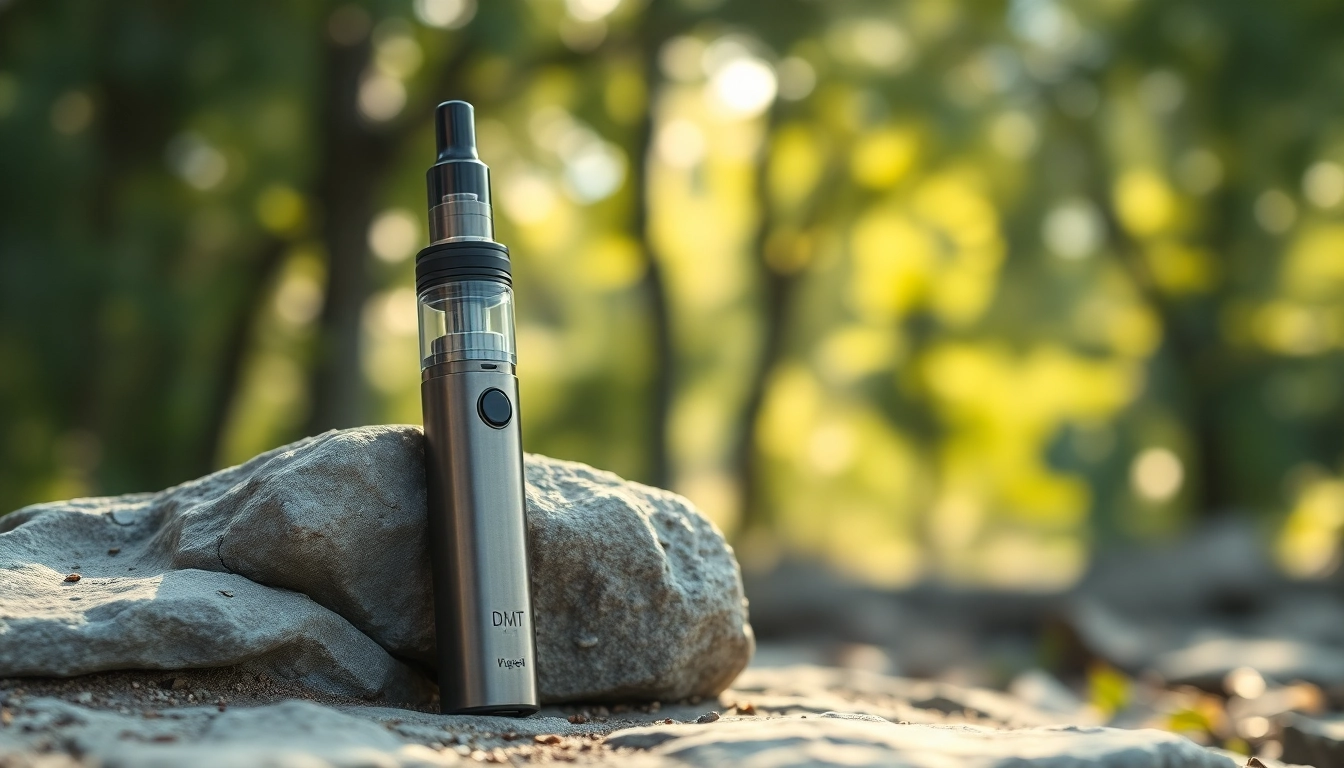
With the rising interest in psychedelics, several online dispensaries are emerging, providing safe access to DMT products. These platforms usually offer a range of products, including raw DMT, Ayahuasca kits, or DMT-infused vape pens. When considering an online vendor, it's vital to research their reputation, customer reviews, and product quality to ensure safe transactions. For those looking to buy dmt, exploring such dispensaries could be beneficial.
Local Shops: Finding Licensed Vendors
While online purchases are convenient, local specialty shops or licensed dispensaries may offer easier access. It's crucial to check local laws around DMT and ensure you're purchasing from licensed vendors who abide by safety regulations. Being able to speak directly with knowledgeable staff can also equip you with further insights into product use and dosages.
Considering Quality and Safety
When purchasing DMT, whether online or in-store, assessing quality and safety should be paramount. Look for third-party testing and certifications that verify product purity and concentration. It is also advisable to read product descriptions and customer feedback to gauge reliability. The absence of safety testing could lead to contaminated or ineffective products, detracting from the therapeutic potential of DMT.
Legality and Risks of Buying DMT
Understanding Legal Status Across States
The legal status of DMT varies significantly from one region to another. In many places, DMT is classified as a Schedule I substance, making its sale, possession, and use illegal. Some regions may have exemptions for religious or research purposes. Evolving laws around psychedelics mean that keeping abreast of local regulations is crucial to avoid legal repercussions.
Potential Risks of Purchasing DMT
Purchasing DMT carries various risks, including legal penalties, health risks from unregulated products, and potential for negative psychological reactions during use. Ensuring that you navigate the purchasing process carefully can help mitigate these risks. Employing a harm-reduction approach when buying and using DMT will enhance safety and enjoyment.
How to Identify Quality DMT Products
To identify quality DMT products, consumers should look for clear labeling that includes information on concentration, batch number, and sourcing. Engaging with reviews and user comments provides insight into the experiences others have had with a product. Moreover, legitimate suppliers often provide certificates of analysis, confirming the product's safety and quality.
The Role of DMT in Therapeutic Settings
DMT and Mental Health: What the Research Says
Research into the therapeutic applications of DMT is gaining traction, particularly concerning its efficacy in treating conditions like depression, PTSD, and anxiety. Various studies suggest that guided DMT experiences can lead to significant improvements in mental health, offering alternative avenues for individuals who have not responded to conventional treatments.
Responsible Use of DMT in Therapy
Responsible therapeutic use of DMT involves well-structured environments, usually overseen by trained professionals. Such settings can provide the supervision necessary to help individuals navigate potentially challenging psychological experiences. Adhering to recommended dosages and protocols enhances the likelihood of positive outcomes in therapeutic settings.
Findings from Recent DMT Studies
Recent studies demonstrate DMT's potential for neuroplasticity, showing that it could facilitate brain changes that promote healing and new perspectives. Ongoing research continues to explore its efficacy in various contexts, including end-of-life care, where patients report insights that diminish the fear of dying. The expanding body of evidence supports the need for more comprehensive studies into the long-term benefits and risks associated with DMT.
FAQs About DMT: Answering Common Queries
What is the difference between natural and synthetic DMT?
Natural DMT is derived from plants, while synthetic DMT is manufactured in labs. Both forms share similar effects, but natural DMT is typically consumed in herbal brews, and synthetic versions can vary in purity and dosage.
Can DMT be safely used recreationally?
While some users report positive recreational experiences, DMT's powerful effects can lead to confusion or anxiety. Safety is enhanced when used in controlled environments with informed participants who understand the compound.
What are the effects of DMT and how long do they last?
DMT effects include intense visual and auditory hallucinations, distortion of time, and feelings of connection. Effects may last from 15 to 60 minutes, depending on the method of use and dosage.
Is there a healthcare professional who recommends DMT use?
Some healthcare practitioners support the use of DMT in therapeutic contexts, particularly in clinical research settings. However, it’s essential to consult experienced professionals before use.
How to prepare for a DMT experience?
Preparation involves setting intentions, ensuring physical comfort, and establishing a safe and supportive environment. Discussing feelings and expectations with trusted companions can also help facilitate a positive experience.