Choosing the Right Vinyl Plank Flooring for Your Home
Understanding Vinyl Plank Flooring
What is Vinyl Plank Flooring?
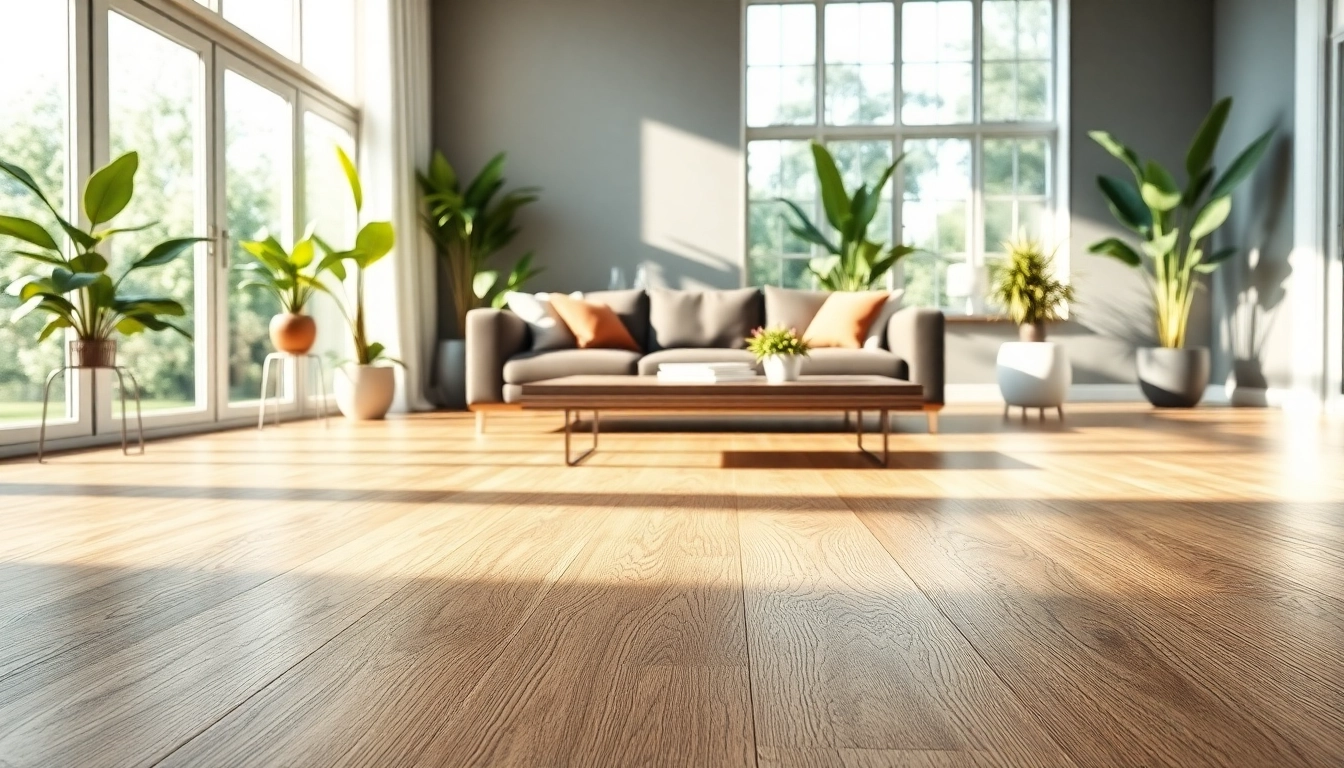
Vinyl plank flooring is a versatile, resilient flooring option that mimics the aesthetic of natural materials like hardwood and stone. Composed of multiple layers, including a wear layer, vinyl core, design layer, and backing, this flooring type is both durable and aesthetically pleasing. Its waterproof properties make it an ideal choice for various spaces in your home, from kitchens to basements. Homeowners often opt for vinyl plank flooring due to its affordability and easy maintenance, enabling them to achieve a stylish look without breaking the bank.
Benefits of Vinyl Plank Flooring
- Durability: Vinyl plank flooring is designed to withstand heavy foot traffic, making it suitable for families with children and pets. The wear layer protects against scratches, dents, and stains.
- Water Resistance: This flooring is inherently water-resistant, allowing for installation in moisture-prone areas like bathrooms and kitchens.
- Easy Installation: Many vinyl plank products feature click-lock installation systems, enabling homeowners to install them without professional help.
- Variety of Styles: Available in numerous designs, colors, and finishes, vinyl plank flooring can complement any decor style, from rustic to modern.
- Low Maintenance: Regular sweeping and occasional mopping are all that’s needed to keep vinyl plank flooring looking great.
Types of Vinyl Plank Flooring
There are primarily three types of vinyl plank flooring: floating, glue-down, and loose lay. Each type has its specific applications and benefits:
- Floating Vinyl Plank Flooring: This type does not require adhesive or nails, allowing the planks to “float” above the subfloor. It’s easy to install and can be removed easily.
- Glue-Down Vinyl Plank Flooring: This method involves adhering the planks directly to the subfloor using a strong adhesive. It’s a more permanent solution and is ideal for high-traffic areas.
- Loose Lay Vinyl Plank Flooring: With this style, the planks are not glued or locked; instead, they are held in place by their weight. This makes it easy to replace individual planks when needed.
Factors to Consider When Selecting Vinyl Plank Flooring
Durability and Wear Layer
The wear layer is one of the most crucial components of vinyl plank flooring; it determines the flooring’s resistance to wear and tear. A thicker wear layer (20 mil or more) is advisable for high-traffic areas, while a thinner layer (6-12 mil) may suffice for less-used spaces. Always opt for planks that notify you of their durability features to ensure long-lasting use.
Style and Design Options
Vinyl plank flooring comes in an array of designs—from realistic wood grains to colorful patterns. Consider your home’s aesthetic when choosing a style. Darker tones can create an inviting feel, while lighter shades can help make spaces appear larger. Always consider matching the flooring with the overall style and function of the room.
Cost and Installation Considerations
When budgeting for vinyl plank flooring, take into account both the material costs and installation expenses. Prices can vary based on brand, quality, and design. Installations can be a DIY project or done by professionals; ensure you factor labor costs into your budget if hiring experts. Typically, the cost of materials and installation together can range from moderate to low, making it an attractive choice for budget-conscious consumers.
Installation Process for Vinyl Plank Flooring
Preparation Steps Before Installation
Prior to installing vinyl plank flooring, make sure the subfloor is clean, dry, and level. Remove any old flooring materials and patch any holes or uneven areas. It’s essential to acclimate the planks in the room where they will be installed for 48 hours to prevent expansion or contraction post-installation. Additionally, gather the necessary tools, including a moisture meter, utility knife, measuring tape, and spacers for expansion gaps.
DIY Installation vs. Professional Help
Deciding between DIY installation and hiring professionals depends largely on your skill level and the complexity of the project. DIY installation can save you money but requires confidence and attention to detail. On the other hand, professional installation may come with a warranty and can ensure that the job meets the required standards, especially in complex layouts or large spaces.
Common Installation Mistakes to Avoid
Common pitfalls during installation include failing to acclimate planks, improper subfloor preparation, neglecting expansion gaps, and misaligning planks. Ensuring the area is cleaned thoroughly, planks are aligned, and gaps are maintained will lead to a successful flooring project. Always refer to manufacturer guidelines for specific installation instructions related to the product you’re using.
Maintenance Tips for Vinyl Plank Flooring
Cleaning Best Practices
To keep your vinyl plank flooring looking its best, sweep or vacuum regularly to remove dirt and debris. For deeper cleaning, mop with warm water and a gentle floor cleaner specifically designed for vinyl. Avoid harsh chemicals or abrasive pads that could scratch the surface.
Repairing Minor Damages
Minor scratches or dents can often be remedied with floor repair kits that include wax filler sticks. For deeper gouges, you may need to replace the damaged planks. Many vinyl planks are designed for easy removal, allowing for quick repairs without replacing the entire floor.
Long-term Care Strategies
Protect your vinyl plank flooring by using furniture pads and area rugs in high-traffic areas. Regularly check for signs of wear and address issues immediately to prolong the life of your flooring. If possible, avoid exposing vinyl plank flooring to excessive sunlight, which can cause fading over time.
Frequently Asked Questions About Vinyl Plank Flooring
How long does vinyl plank flooring last?
High-quality vinyl plank flooring typically lasts between 15 to 25 years, depending on the wear layer thickness and level of foot traffic.
Can vinyl plank flooring be installed in wet areas?
Yes, vinyl plank flooring is water-resistant, making it suitable for wet areas like bathrooms and kitchens, though it’s important to follow manufacturer guidelines for installation in these spaces.
What maintenance is required for vinyl plank flooring?
Maintenance involves regular sweeping, occasional mopping with a gentle cleaner, and timely repairs of any damages to keep the flooring in good shape.
Is vinyl plank flooring eco-friendly?
Many brands now offer eco-friendly vinyl options made from recycled materials with low VOC emissions, contributing to healthier indoor air quality.
Can I install vinyl plank flooring over existing flooring?
Yes, you can install vinyl plank flooring over certain types of existing flooring, such as tile or vinyl, provided the surface is clean, dry, and level.