Elevate Your Space with Expert Bathroom Installation Manchester Services
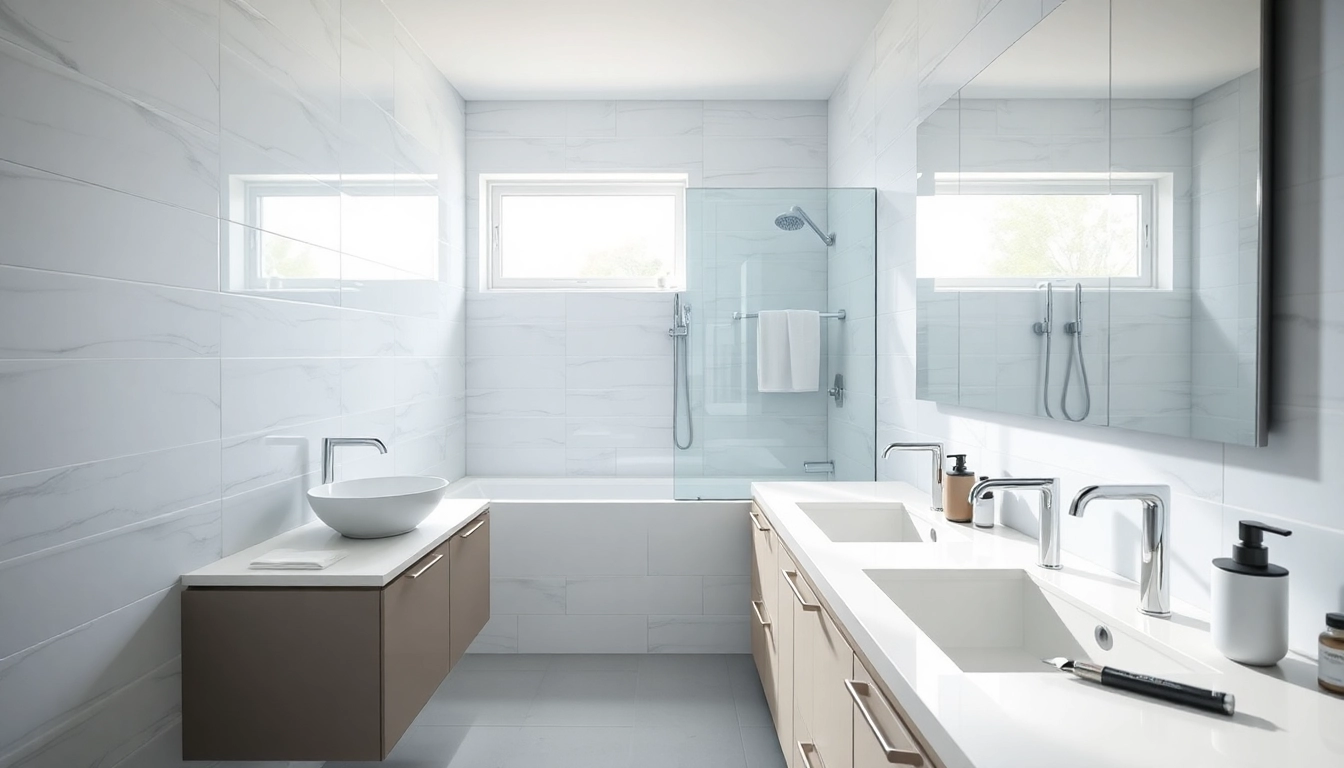
Understanding Bathroom Installation Manchester
Bathroom installation is an integral aspect of home improvement, particularly when it comes to modernizing or renovating your home. A well-designed bathroom not only enhances aesthetics but also adds functional value to your living space. Whether you’re remodeling your entire bathroom or just replacing a fixture, taking the time to explore the intricacies of bathroom installation manchester can lead to more satisfying outcomes, better efficiency, and increased property value.
Basics of Bathroom Design
At its core, effective bathroom design revolves around functionality and aesthetic appeal. The basic elements typically include:
- Layout: Decisions about the layout affect accessibility and flow. This includes the placement of the sink, toilet, and tub/shower.
- Color Scheme: Choosing colors that complement each other can create a harmonious atmosphere.
- Materials: From tiles to countertops, selecting materials that blend durability with style is crucial.
- Lighting: Adequate lighting not only improves visibility but also sets the mood.
Incorporating personalized elements, such as custom cabinetry or unique fixtures, further enhances the bathroom’s character while making it functional.
Importance of Professional Installation
While DIY enthusiasts might be tempted to tackle bathroom installations themselves, professional help is invaluable. Professional installation ensures:
- Quality Workmanship: Professionals bring experience and skills, minimizing the risks of costly mistakes.
- Code Compliance: Bathrooms must adhere to local building codes, which professionals are trained to navigate.
- Warranty and Support: Many contractors offer warranties on their work, giving you peace of mind.
Investing in a professional not only guarantees a high-quality outcome but also saves you from potential hassles and future repair costs.
Common Types of Bathroom Installations
Bathroom installations can vary widely depending on personal preferences and space configurations. Here are a few common types:
- Full Bathroom Remodel: This involves a complete renovation of the entire bathroom, including plumbing, fixtures, and layouts.
- Partial Remodel: Only specific features are updated, such as changing out the vanity or replacing tiles.
- Shower Installation: Upgrading or installing a shower system can greatly improve functionality.
- Bathroom Additions: Expanding the bathroom’s footprint by adding space, either through an extension or converting adjacent areas.
Planning Your Bathroom Installation
Effective planning is the backbone of a successful bathroom installation. Taking a structured approach can prevent common pitfalls and ensure a smoother process.
Assessing Space and Layout for Bathroom Installation Manchester
Before diving into aesthetics, it’s critical to assess the available space and layout. Start with measurements to understand what can fit. Consider the following:
- Footprint: The physical layout of your bathroom dictates how elements can be arranged.
- Traffic Flow: Ensure that there’s adequate space for movement, especially for multiple users.
- Accessibility: Designs should consider accessibility for users of all ages and needs.
Utilize tools or consult professionals to create layout sketches that optimize space usage while remaining aesthetic.
Choosing Materials and Fixtures Wisely
Your choice of materials and fixtures significantly affects the overall look and functionality of your bathroom. It’s essential to balance durability with design. Popular material choices include:
- Tiles: Available in various styles, tiles are popular for their water resistance and aesthetic appeal.
- Countertops: Materials like quartz and granite offer durability with elegance.
- Fixtures: Selecting faucets and shower heads that match your style can create a cohesive look.
Researching options and consulting with a professional can help in selecting materials that meet both functionality and budget criteria.
Budgeting for Your Bathroom Installation
Creating a detailed budget is imperative to avoid overspending. Consider factors such as:
- Labor Costs: Professional labor varies based on experience and complexity of the job.
- Material Choices: Decide on your materials ahead of time and get quotes from suppliers.
- Unexpected Costs: Set aside a contingency fund for surprises that may arise during installation.
Having a financial blueprint can provide clarity and prevent last-minute dilemmas, ensuring you afford your desired upgrades.
Finding the Right Contractor in Manchester
Choosing a skilled contractor is critical to the success of your bathroom installation. A reliable contractor not only commits to quality but also understands local regulations and standards.
Key Qualities to Look For
When searching for a bathroom installation contractor, consider these key qualities:
- Experience and Expertise: Look for contractors with a proven track record in bathroom renovations.
- Communication Skills: Effective communication can facilitate a smoother project.
- Transparency: Clear quotes and an open approach to changes help in building trust.
Prioritizing these qualities can lead to a more satisfying installation experience.
Questions to Ask Potential Installers
It’s essential to pose important questions to gauge a contractor’s suitability:
- Can you provide references?
- What is your estimated timeline for completion?
- Do you have insurance and licensing?
- What warranties do you offer on your work?
Interviewing each candidate helps narrow down your choices and ensures clarity on important project parameters.
Reading Reviews and Recommendations
Gathering insights from past customers can prove invaluable. Seek out:
- Online Reviews: Services like Google or Yelp provide honest feedback.
- Social Media Recommendations: Platforms like Facebook can reflect a contractor’s community involvement and customer satisfaction.
- Personal Recommendations: Speaking with friends or family who have completed similar projects can yield dependable contractors.
Considering these reviews can lead to informed choices when selecting your installation team.
Best Practices for Bathroom Installation Manchester
Implementing best practices during installation streamlines the process and helps avoid common pitfalls.
Ensuring Compliance with Regulations
Compliance with local building codes is paramount for safety and legality. Ensure that your contractor is aware of:
- Permitting: Most bathroom installations require some form of a building permit.
- Safety Standards: Electrical and plumbing aspects should meet safety regulations and codes.
Adhering to these regulations helps prevent future legal issues or renovations that could arise from unregulated work.
Incorporating Modern Technologies
Today’s bathrooms can benefit significantly from modern technologies. Options include:
- Smart Fixtures: Touchless faucets and smart showers enhance convenience and efficiency.
- LED Lighting: Energy-efficient lighting can improve aesthetics and reduce energy costs.
Integrating these technologies can elevate the user experience, making a bathroom not just functional, but also a sanctuary of innovation.
Overcoming Common Installation Challenges
Bathroom installations can present challenges when it comes to space constraints or plumbing issues. Here are proactive strategies:
- Plan Ahead: Thorough planning can prevent missteps that lead to delays and extra costs.
- Effective Communication: Keep lines of communication open with your contractor to address issues immediately.
Being proactive in overcoming these challenges helps ensure a smoother installation process.
Post-Installation Tips
After the installation is complete, maintaining your new bathroom is essential for long-term satisfaction and performance.
Maintaining Your New Bathroom
Regular maintenance enhances the longevity of your bathroom. Consider the following tips:
- Cleaning: Use appropriate cleaning products that won’t damage surfaces.
- Regular Checks: Periodically investigate for leaks or signs of wear.
Establishing a maintenance schedule can help keep your bathroom looking and functioning its best.
Common Repairs after Installation
Even properly installed fixtures may require occasional repairs. Common issues include:
- Leaky Faucets: These can often be fixed by replacing washers.
- Grout Damage: Small cracks can be repaired with grout sealants.
Identifying and addressing these issues promptly can prevent larger problems down the line.
Enhancing Functionality with Accessories
Accessorizing your bathroom can enhance its usability. Consider adding:
- Storage Solutions: Shelves, cabinets, and baskets can help organize items.
- Decorative Elements: Items like towels, mats, and artwork can personalize your space.
Strategically chosen accessories can elevate the overall feel of your bathroom and improve its functionality.
Frequently Asked Questions
What is included in a bathroom installation service?
A bathroom installation service typically includes design consultation, removal of existing fixtures, installation of new plumbing and fixtures, and cleanup.
How long does a bathroom installation take?
The duration of a bathroom installation can vary based on the project’s complexity but generally ranges from a few days to a couple of weeks.
Can I choose my own fixtures for the installation?
Yes, you can select your own fixtures, although it’s always good to consult your contractor regarding compatibility and suitability.
How do I ensure my bathroom is compliant with local building codes?
Hiring a knowledgeable contractor familiar with local regulations is key to ensuring compliance during your bathroom installation.
What are some budget-friendly bathroom upgrades?
Budget-friendly upgrades include new lighting, paint, minor fixtures changes, or decorative elements like mirrors and towels.