Effective Strategies for Spray Foam Removal Consultation
Understanding Spray Foam Removal Consultation
When it comes to maintaining the integrity of your home and ensuring it remains a safe and healthy environment, understanding the nuances of insulation is crucial. Spray foam insulation is often hailed for its excellent thermal resistance and sealing properties. However, there are circumstances where the removal of spray foam becomes essential. In such situations, a spray foam removal consultation can provide the guidance necessary to ensure that the process is handled safely and effectively. This article delves into the various aspects of spray foam removal, emphasizing the importance of consultation, the processes involved, and best practices for effective removal.
What is Spray Foam Insulation?
Spray foam insulation consists of a mixture of isocyanate and polyol resin, which expands upon application to fill gaps and voids. This type of insulation is popular for a myriad of reasons:
- Exceptional thermal efficiency
- Seals air leaks to improve indoor air quality
- Creates a barrier against moisture, reducing the risk of mold growth
- Provides structural strength to walls and roofs
However, there are situations when spray foam insulation may need to be removed, such as water damage, structural changes, or when outdated materials pose health risks.
Importance of Spray Foam Removal Consultation
Engaging in a spray foam removal consultation is vital for several reasons. It provides homeowners with detailed insights into the condition of their insulation and the potential risks associated with its removal. Such consultations typically encompass an assessment of the current insulation, potential hazards, and tailored strategies to address any issues. Professional consultants bring in-depth knowledge of the safest and most effective removal methods, minimizing further damage to the building structure and ensuring compliance with local regulations.
Signs You Need a Consultation
There are key indicators that suggest a homeowner should seek a spray foam removal consultation:
- Visible Damage: Cracking or deterioration of spray foam can be a clear sign.
- Mold Growth: If mold is found near the insulation, it can compromise air quality and health.
- Odors: Unpleasant or chemical smells can indicate the breakdown of the foam.
- Allergic Reactions: Increased allergy symptoms among household members may stem from insulation issues.
- Structural Changes: Renovations might necessitate the removal of existing insulation.
The Consultation Process
Initial Assessment and Inspection
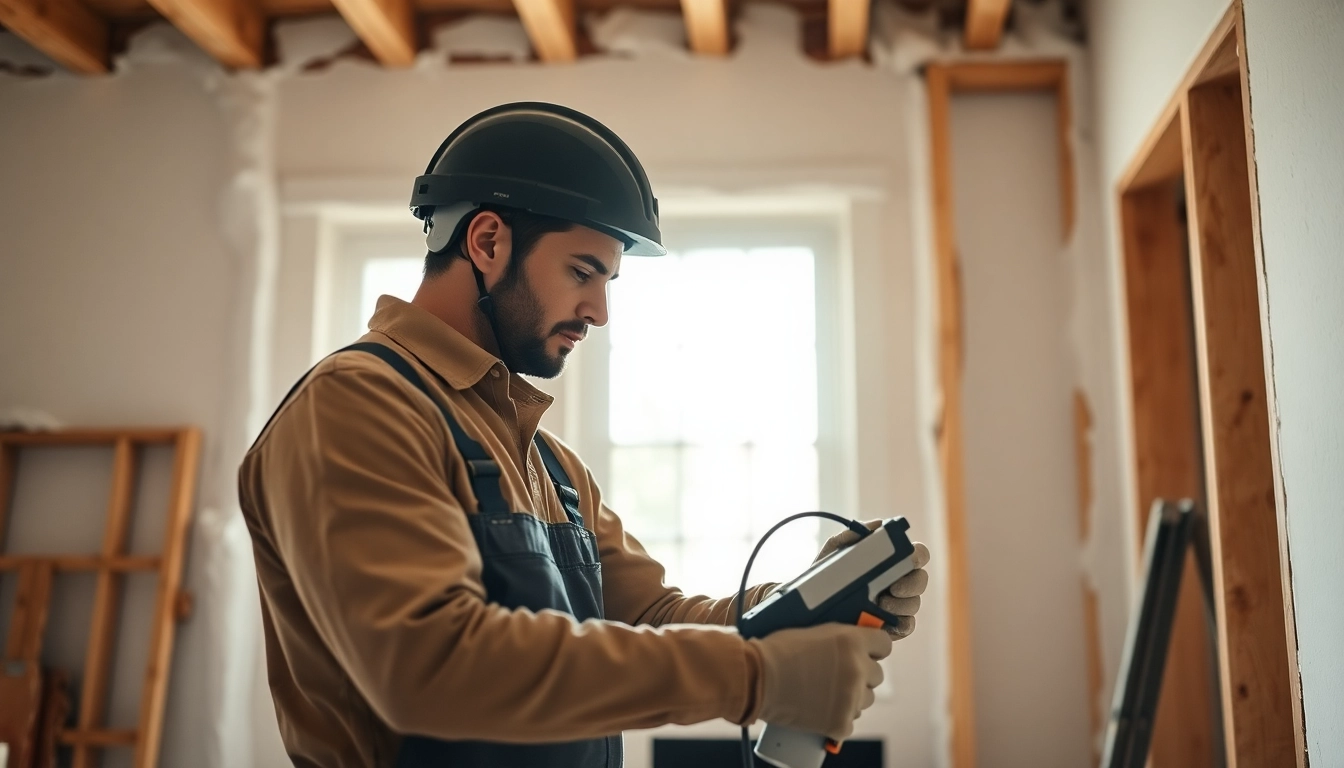
The initial assessment is the cornerstone of an effective spray foam removal consultation. This phase involves evaluating the current state of the insulation and identifying any potential hazards, such as moisture buildup or mold. The consultants will perform a thorough inspection, often using tools like thermal imaging cameras to detect hidden issues behind walls, which may not be visible to an untrained eye. Documenting the extent of damage is essential, as it serves as a reference point for developing a tailored removal strategy.
Custom Strategy Development
Following the initial assessment, the next step is to develop a customized removal strategy. This strategy outlines the removal process, timelines, and resource allocation. Factors such as the type of spray foam material used, the complexity of the removal, and the underlying structure’s condition will shape the approach.
The consultant might also recommend interim solutions for maintaining insulation effectiveness while preparing for the full removal process. This proactive step ensures that the home remains comfortable during the transition.
Cost Estimation and Budgeting
Understanding financial implications is essential before commencing spray foam removal. The consultation will typically include a comprehensive cost estimation, taking into account labor, equipment, disposal procedures, and potential restoration needs. By being transparent about the budget, homeowners can avoid unexpected expenses. Additionally, a thorough breakdown enables individuals to evaluate their options, ensuring they select a feasible solution that meets both health and budgetary requirements.
Best Practices in Spray Foam Removal
Techniques for Effective Removal
Using proper techniques is paramount for successful spray foam removal. Professionals may employ various methods, including:
- Chemical Solvent Method: Specific solvents can dissolve the foam, making it easier to scrape away while minimizing dust.
- Mechanical Removal: Tools such as scrapers, saws, and grinders can be effective in physically removing larger sections of foam.
- Vacuum Systems: Using industrial vacuums can help eliminate debris and improve cleanliness during the removal process.
Selecting the appropriate technique will depend on the foam type and the surrounding structure, thus minimizing risks and ensuring a thorough process.
Safety Precautions to Observe
Performing spray foam removal involves inherent risks; therefore, safety precautions are crucial:
- Protective Gear: Always wear gloves, goggles, respirators, and protective clothing to prevent exposure to harmful substances.
- Ventilation: Ensure adequate ventilation during the process to disperse possibly hazardous fumes.
- Quality Equipment: Utilizing high-quality tools and machines minimizes accidents and improves efficacy.
- Compliance: Abide by local regulations regarding material disposal and safety protocols.
By adhering to these precautions, workers and homeowners can avoid health risks and improve the overall effectiveness of the removal operation.
Choosing the Right Equipment
The selection of equipment plays a pivotal role in the success of spray foam removal. Professionals typically utilize specialized tools designed for insulation tasks, such as:
- Insulation Removal Vacuums: These vacuums are efficient in capturing remnant insulation and minimizing airborne particles.
- Heat Guns: For some rigid spray foams, heat can soften the material for easier removal.
- Ergonomic Tools: Ergonomically designed scrapers and saws can reduce physical strain and improve productivity.
Investing in the right equipment not only enhances effectiveness but also promotes a safer working environment.
Common Challenges and Solutions
Dealing with Adhesive Residues
One of the common challenges faced during spray foam removal is dealing with adhesive residues left behind. This residue can be particularly stubborn and may require additional treatment. Professionals often apply specialized solvents designed to break down adhesives without damaging adjacent structures. Techniques such as scraping followed by solvent application ensure a thorough clean-up process, preparing the surface for potential new insulation or repairs.
Managing Allergies and Contamination
Individuals with allergies or sensitivity may experience health issues due to the presence of harmful chemicals released during foam breakdown. To manage these risks, it is imperative to deploy air filtration systems during the removal process. Furthermore, consultations should also address any potential sources of contamination and offer solutions, such as replacing air ducts or thorough cleaning protocols, to create a healthy living environment post-removal.
Timeline for Completion
Understanding the timeline for spray foam removal is critical for effective planning. Completing the process can take anywhere from a few hours to several days depending on the scope of work. Factors affecting the timeline include the size of the area, type of spray foam, and specific removal technique employed. A clear communication about the estimated timeline during the spray foam removal consultation ensures that homeowners can manage their schedules efficiently.
FAQs about Spray Foam Removal Consultation
How long does spray foam removal take?
The duration varies; typically, it can take from a few hours to a couple of days depending on the project’s scale. Each job is unique, so a personalized estimate is best.
Is spray foam removal safe for my home?
Yes, when performed by professionals, spray foam removal is safe. Safety measures and protective equipment make the process secure for your home and its occupants.
What should I do before the consultation?
Ensure the area is accessible by removing furniture and covering floors. Document areas of concern to discuss clearly with the consultant during the meeting.
Can I do spray foam removal myself?
While DIY removal is possible, it is risky without proper tools and expertise. Hiring a professional ensures safety and thorough removal.
What are the costs involved in spray foam removal?
Costs vary based on factors like area size and removal complexity. A consultation will provide an accurate estimate based on your specific needs.